
Quarterly Census of Employment and Wages - Data for Industry Distribution by Size and More
About
The Bureau of Labor Statistics (BLS) Quarterly Census of Employment and Wages (QCEW) program publishes a quarterly count of employment and wages reported by employers covering more than 95 percent of U.S. jobs, available at the county, MSA, state and national levels by industry.
About the QCEW Data
QCEW produces a comprehensive data on the number of establishments, monthly employment and quarterly wages for workers. These data are aggregated to many different levels, starting at the 6-digit NAICS industry level, to higher industry levels (NAICS industry groups, sectors, and super-sectors), and to higher geographic levels (MSA, State, and national).
BLS publishes the QCEW data every quarter in the County Employment and Wages press release. The QCEW program also publishes full quarterly industry detail data, at all geographic levels in several file formats, through data files. Additional QCEW data tools include Open Data Access, the QCEW Data Viewer, and the QCEW State and County Map. More information about current and future news release can be found in the release calendar. Historical data availability details on QCEW database tools can be found on the QCEW Data Availability page. In addition, BLS publishes the annual QCEW bulletin Employment and Wages, Annual Averages.
Employment
QCEW monthly employment data represent the number of covered workers who worked during, or received pay for, the pay period that included the 12th day of the month. For more information about QCEW employment exclusions, see Table A. Coverage Exclusions.
Wages
QCEW wages data represent the total compensation paid during the calendar quarter, regardless of when the services were performed. For more information about QCEW wage data coverage, please see the QCEW Handbook of Methods - Concepts.
Economic Base Analysis
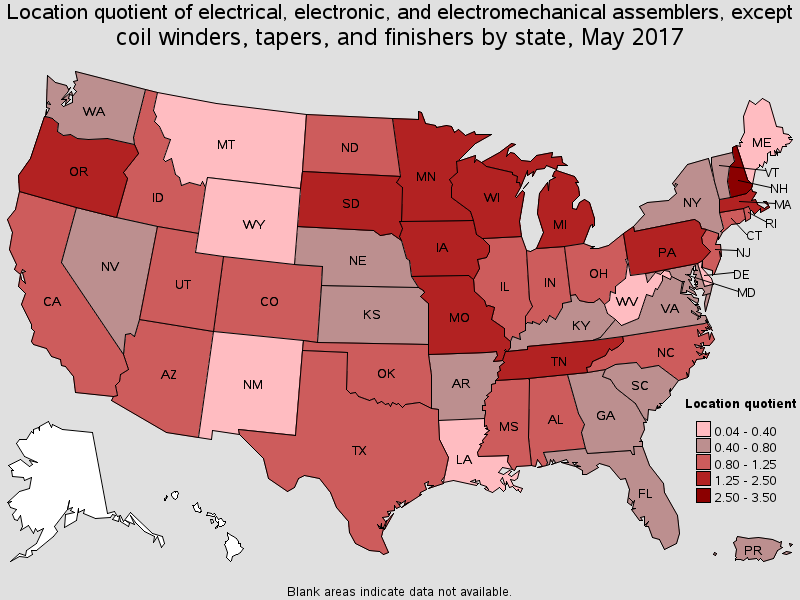
QCEW data can be used to show the employment size of industries in a given regional labor market. The distribution of industries across a regional market will help you identify key sectors or smaller sectors in a regional economy. Because the relative employment size of sectors tends to not change much over time, absent huge shifts in the economy, the employment size of industries generally is not an economic indicator. However, using QCEW data in location quotients, you can identify the strength of industries in a regional labor market.
Materials
Comments
Content Details
Topics:
Target Populations:
Programs:
Geographic Locations:
Industry Sectors:
- Last Updated:
- Created:
- Posted by: Damon Jones
- Posted in: LMI Central