
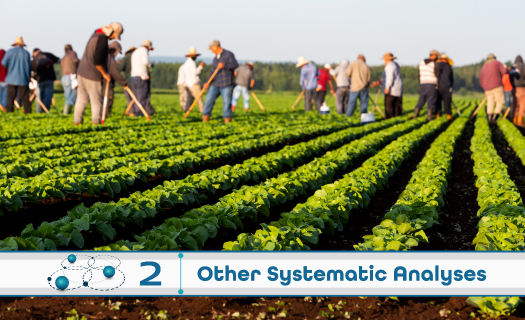
Findings from the National Agricultural Workers Survey 2019-20: A Demographic and Employment Profile
About
The National Agricultural Workers Survey (NAWS) is an employment-based, random-sample survey that monitors agricultural employment conditions and collects worker demographics. The 2019–2020 survey, the 16th in a series, presents a detailed profile of hired crop workers in the United States, including key demographics, employment characteristics, and living conditions of these essential laborers.
The "Findings from the National Agricultural Workers Survey (NAWS) 2019–2020: A Demographic and Employment Profile of United States Farmworkers" report presents a detailed analysis of the demographic and employment characteristics of hired crop workers in the United States. The NAWS, conducted by the U.S. Department of Labor, explores the living and working conditions of farmworkers, a critical segment of the labor force. The research is based on face-to-face interviews with 2,172 crop farmworkers between October 2018 and September 2020. Quantitative analysis examines comprehensive data collected in the survey, including birthplace, ethnicity, work authorization, education, language skills, housing, employment patterns, job characteristics, income, and health insurance coverage.
NAWS utilizes a multistage sampling to account for seasonal and regional fluctuations in the level of farm employment and benefits from collaboration with multiple Federal agencies that share in the design of the questionnaire. The survey addresses various research questions, shedding light on the demographics, family composition, and housing situations of migrant and seasonal farmworkers; and explores farm work characteristics, wages, benefits, and employment history, including non–crop work activities. The survey also gathers comprehensive data on farmworker income, assets, assistance program usage, healthcare access, and insurance coverage and provides critical insights into farmworkers’ economic well-being and overall health status.
Major Findings and Recommendations
A summary of findings organized by chapter includes data gathered about (1) birthplace, ethnicity, and work authorization; (2) demographics and family composition; (3) language and education; (4) housing characteristics and distance to work; (5) employment patterns and farm job characteristics; (6) Employment Experience; (7) non–crop work activities; (8) income, assets, and use of assistance programs; and (9) healthcare in the United States.
The report offers valuable and up-to-date information on the hired crop-labor force in the United States. Information provided through the NAWS also informs the policies and programs of the many Federal government agencies that protect and provide services to migrant and seasonal farmworkers and their dependents.
Materials
Comments
Content Details
Methodology:
Topics:
Target Populations:
Programs:
Geographic Locations:
Industry Sectors:
- Last Updated:
- Created:
- Resource Publication Date: 2022
- Author(s): Gold, A.; Fung, W.; Gabbard S.; Carrol D.
- Funding Source: U.S. Department of Labor, Employment and Training Administration
- Resource Availability: Publicly available
- Posted by: India Johnson
- Posted in: Workforce System Strategies